
English| EUR
Suggested for you
More currencies
Choose a language
The ferry to Saint-Malo is not a single route—it's a network of crossings from three departure points, each with its own duration. Your journey time depends on where you board, which operator you choose, and whether you're traveling on a conventional ferry or a high-speed craft. This guide breaks down the variables that determine how long you'll spend at sea.
Quick answer
Ferry crossings to Saint-Malo range from 1 hour to 10.5 hours depending on your departure port. The fastest route is Jersey to Saint-Malo (1 hour via Manche Îles Express high-speed catamaran). Portsmouth to Saint-Malo takes 10.5 hours overnight with Brittany Ferries. Poole to Saint-Malo runs approximately 4.5 to 6 hours on Condor Ferries conventional vessels. Seasonal schedules, weather conditions, and vessel type all influence actual crossing times.
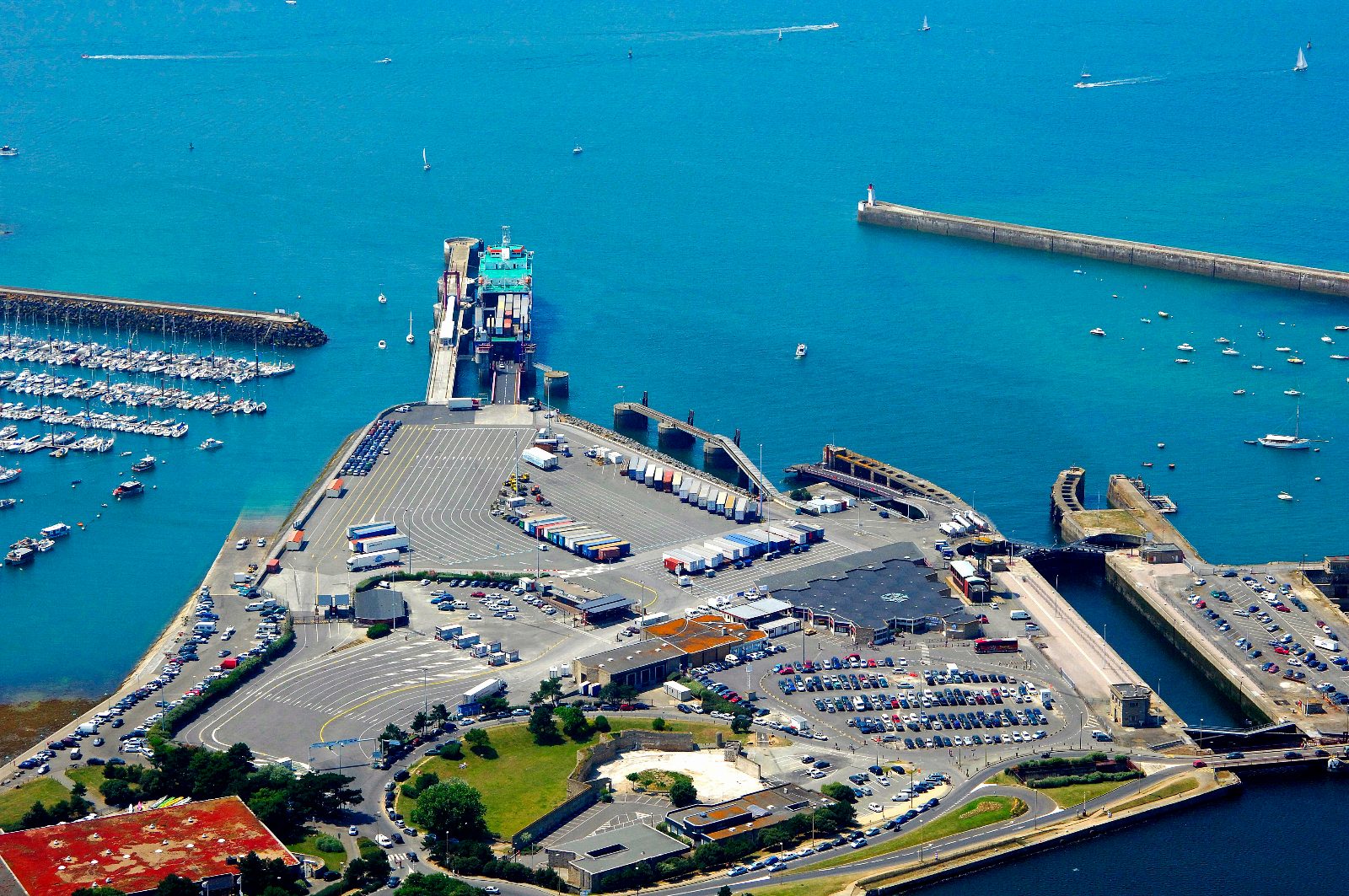
The Gare Maritime du Naye processes vessels from three distinct departure points across the English Channel and the Gulf of Saint-Malo, each calibrated to a different traveler profile. Portsmouth serves as the overnight gateway for motorists bringing vehicles into Brittany, a route that prioritizes cabin comfort over speed. Poole offers a mid-length daytime crossing that splits the difference between convenience and voyage duration. Jersey provides the shortest link, a high-speed hop that treats the crossing as a commute rather than a passage. Crossing time is not uniform even within a single route. Brittany Ferries operates the Portsmouth service with conventional roll-on/roll-off vessels that maintain steady speeds optimized for fuel efficiency and vehicle capacity, not velocity. Condor Ferries deploys both conventional ferries and faster craft on the Poole route depending on season and booking demand, creating variance in published schedules. Manche Îles Express runs hydrofoil catamarans from Jersey that cut through swell at higher speeds, but these vessels are tide-sensitive and do not operate in rough sea states or during winter months. Weather introduces the largest variable into any published ferry duration. Atlantic swells, Channel fog, and spring tidal surges force captains to reduce speed or alter course, extending voyage time by 30 to 90 minutes on exposed routes. The Portsmouth overnight crossing absorbs these delays invisibly—passengers sleep through speed reductions—but daytime services from Poole and Jersey make delays perceptible. Tidal windows also dictate departure slots; Saint-Malo's harbor requires sufficient depth for large ferries to berth, which restricts sailings to specific hours aligned with high water. The published schedule for each route reflects average conditions during peak season. Off-season crossings, particularly November through March, encounter heavier seas and reduced daylight, which can add time to any voyage. Travelers booking shoulder-season departures should treat listed durations as minimums rather than guarantees. The terminal itself operates around the clock, but ferry arrivals cluster in morning and evening windows to align with road connections into Brittany and onward rail links at Saint-Malo's TGV station.
“The shortest crossing to Saint-Malo takes one hour from Jersey, but the longest route from Portsmouth requires over ten—your departure port defines your voyage.”
This plan suits travelers arriving on a morning ferry and spending the day exploring Saint-Malo before an evening departure. The schedule assumes a typical 8-10 hour crossing from Portsmouth or Poole, with 4-5 hours in port.
Check in 90 minutes before your scheduled sailing time to complete security and boarding procedures. Most crossings to Saint-Malo depart between 08:00 and 10:00.
Ferry crossings from Portsmouth take approximately 8-9 hours, from Poole around 4-5 hours depending on the vessel and route. Disembark and clear customs at the terminal.
The walled old town sits 10 minutes on foot from the ferry terminal. Enter through Porte Saint-Vincent to explore the ramparts and cobbled streets.
Spend 30 minutes inside this 12th-century cathedral, then walk the ramparts for harbor views. Allow time to browse shops along Rue Saint-Vincent.
Head back to Gare Maritime 90 minutes before your evening departure, typically around 20:30-22:00. Complete check-in and security before boarding.
The ferry terminal is located at the Gare Maritime du Naye, positioned along the edge of the Saint-Malo harbor. It is accessible by road via the D168 or by local transport links connecting to the historic walled city.
Follow signs for Naye / Terminal Ferry via the D168
Bus line 2 to the Saint-Malo Gare Maritime stop
Direct service to Gare Maritime du Naye
Walk south from the intra-muros district
Arrive 90 minutes before departure for check-in and security processes. The best arrival window is 06:00–22:00 at the Gare Maritime du Naye, 35400 Saint-Malo, France.
The Gare Maritime du Naye terminal operates daily to support ferry services to and from Saint-Malo.
Access to the Gare Maritime du Naye terminal is free of charge for all visitors. Individual ferry ticket prices are determined solely by the specific operator, route, and travel season chosen.
Verdict: A typical adult pays a variable fare set by the ferry operator, which changes based on the selected destination and time of travel.
Prepare these essentials before your Saint-Malo ferry journey to ensure smooth boarding and check-in.
Everything you need to know about how long is the ferry to st malo
Travel times vary significantly based on your departure point, such as Portsmouth or Poole, and the type of vessel used. Generally, the transit can take anywhere from 5 to 11 hours depending on the operator and route. You should check the specific sailing schedule to see how long is the ferry to st malo on your chosen date.
The crossing time depends on the chosen operator and vessel type. Direct routes often take longer than high-speed services, though exact durations are subject to sea conditions. Always verify the individual sailing details for an accurate estimate of how long is the ferry to st malo.
Yes, you must arrive 90 minutes before departure for check-in and security processes. This ensures a smooth boarding experience at the Gare Maritime du Naye. Adhering to this window helps maintain the schedule for all passengers.
Travel time remains consistent regardless of whether you are a foot passenger or traveling with a vehicle. However, the time required to load and unload your car can impact your total time at the terminal. Plan accordingly to ensure you meet the required arrival window for your sailing.
High-speed options significantly reduce crossing times compared to conventional ferries. These services are popular for those looking to minimize time at sea. Please consult the operator directly for the most precise travel duration for your trip.
The official site at https://www.saintmalo-cancale.port.bzh provides terminal information and contact details. While you can view schedules here, booking procedures are managed by individual ferry operators. It serves as your primary resource for port logistics and arrival planning.
Inclement weather can occasionally impact sailing speeds or lead to schedule adjustments. Operators will notify passengers of any significant changes to the expected arrival or departure times. It is recommended to check the status of your crossing closer to your departure date.